Explore Crisil, a company of S&P Global
Formerly known as Market Intelligence & Analytics
All latest thinking



 Report
Crisil Economy First Cut: Resounding pause
The Monetary Policy Committee (MPC) of the Reserve Bank of India (RBI) kept policy rates unchanged at its June meeting. The repo rate stands at 5.25%, standing deposit facility rate at 5.00% and the marginal standing facility rate at 5.50%
 Report
Cloud over kharif
India is entering the 2026 kharif season under the influence of El Niño conditions, a climate phenomenon historically associated with weaker monsoon and heightened uncertainties regarding rainfall.
 Report
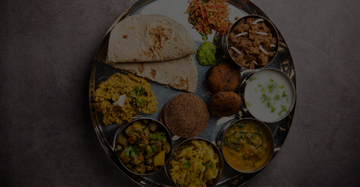
RRR: Roti Rice Rate
The average cost of preparing a thali at home is calculated based on input prices prevailing in north, south, east and west India. The monthly change reflects the impact on the common man’s expenditure. The data also reveals the ingredients (cereals, pulses, broilers, vegetables, spices, edible oil and cooking gas) driving the change in the cost of the thali.
 Report
Crisil Economy First Cut: Manufacturing lifts IIP
Industrial growth, as measured by the revised Index of Industrial Production (IIP) series, accelerated to 4.9% in April from 3.2% in March, driven by stronger growth in manufacturing and electricity production.
 Report
PE exit cycle looms for NBFCs
The non-banking financial company (NBFC) sector in India surged in calendar year 2025, with mergers and acquisitions (M&A) tripling on year and investments by private equity (PE) and venture capital (VC) funds rising ~16% to ~$5 billion (excluding ~4.4 Billion deal of Shriram Finance with MUFG).
 Report
Quickonomics: From pumps to prices
Retail petrol and diesel prices have risen ~Rs 7.5/litre since May 15.