- Private Equity (PE)
- Secondaries
- Tariffs
- Tariff Sensitivity
- Sectoral Exposure
- Currency Volatility
How Private Equity Navigates Tariffs and Trade Tensions



Sheetal Aggarwal
Director
Private Equity
Crisil Integral IQ

Sabah Ahmed
Lead Analyst
Crisil Integral IQ

Tejas Dodhia
Senior Research Analyst
Crisil Integral IQ
After signs of recovery in 2024, the global private equity (PE) market had entered 2025 expecting a broader rebound in deal activity compared with 2022 and 2023, which were subdued. The conditions looked promising - interest rate cuts were expected, valuation multiples were recovering, the window for initial public offers (IPOs) had opened slightly and buy-side interest was reviving slowly.
Just a few months on, that optimism has started to fade as global tariff escalations began reshaping the landscape. With the US imposing incremental import tariffs and potential retaliatory tariffs from other countries, trade uncertainty has re-emerged as a critical deal blocker.
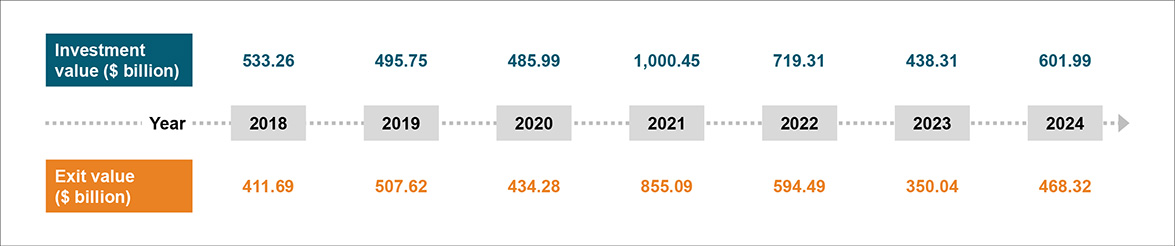
Note: Investments-excludes add-ons, special-purpose acquisition companies (SPACs), loan-to-own transactions and acquisition of bankrupt assets; Exits-includes partial and full exits; excludes SPACs and bankruptcies.
Source: Bain and Company: Global Private Equity Report
The global PE deal valuation reached $221 billion in the first quarter of 2025, up 67% on-year. However, this growth was uneven. While the technology and healthcare sectors looked relatively stronger, the industrials and manufacturing sectors were weaker.
Sector-level tariff risks - insulated or exposed?
Tariff exposure varies significantly by sector, creating both risks and strategic openings for PE investors. Heavily exposed industries such as industrials, automotive, consumer goods and select technology hardware face elevated input costs and potential supply chain disruptions. These pressures can compress operating margins, delay investment timelines and introduce volatility into revenue forecasts.
Conversely, sectors such as software, healthcare services and domestic financial services tend to be more insulated from tariff-related shocks. Their cost structures are less dependent on global trade flows, and they often benefit from recurring revenue models or regulatory barriers that offer pricing power.
For PE sponsors, this disparity influences both portfolio risk management and deal sourcing. In tariff-sensitive sectors, there may be opportunities to acquire distressed assets at lower valuations, especially where companies are struggling to adapt their supply chains or pass through higher costs. On the other hand, tariff-insulated sectors may offer more stable cash flow profiles and clearer exit paths, which are particularly appealing in an uncertain macroeconomic environment.
Meanwhile, industries such as semiconductors and renewables sit in a grey zone. They are exposed to tariffs but also receive tailwind from domestic policy incentives and reshoring trends. While these ‘transition sectors’ demand deeper diligence, they may offer an upside to General Partners (GPs) willing to lean into complexity.
Sector-wise tariff exposure
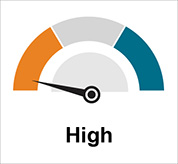
Industrial manufacturing (manufacturing, equipment, automotive parts), consumer goods (apparel, furniture, electronics), agribusiness (farms, food processors, meat packers), solar energy hardware (panels, inverters, batteries), building products (steel, aluminum components).
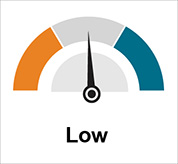
Chemicals and specialty materials, medical devices and healthcare equipment, industrial services (constructions, facility services), aerospace components (tier 2/3 suppliers), home appliances (white goods).
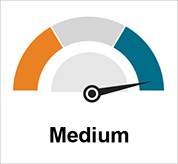
Software (SaaS, enterprise IT), healthcare services (clinics, urgent care, dental), education services (edtech, private schools), fintech (payment processing, lending platform).
Currency risk: The hidden amplifier of tariff exposure
While tariffs are often viewed through the lens of direct cost implications such as higher import duties or supply chain rerouting, currency fluctuations can significantly amplify or cushion their impact on PE investments. In fact, for global or cross-border deals, currency movements are an underrated risk multiplier in a tariff-influenced environment.
When tariffs are imposed, they can lead to inflationary pressure in the affected countries, often triggering depreciation of the local currency. For PE firms with portfolio companies exposed to imported inputs or foreign revenue streams, higher input costs and unfavorable exchange rates are a double whammy. For example, a US-based portfolio company sourcing components from China may face both the tariff-induced mark-up and a stronger dollar, making Chinese imports even more expensive.
Conversely, a weakening home currency in the target market can erode expected returns when repatriated, especially if the investors are USD-based, but the exit proceeds are realized in the local currency. This is particularly relevant in the emerging markets, where forex volatility often moves in tandem with trade tensions.
To mitigate these risks, many PE firms are adopting forex hedging strategies at both the fund and portfolio company level. Some are also re-evaluating geographic exposure during due diligence by not just looking at tariff lines but also assessing macroeconomic and currency vulnerability.
Longer holding periods and the rise of secondary solutions
The cautious stand of PE firms in 2025 is a far cry from the anticipation that the second Trump administration would fan increased activity in mergers and acquisitions and IPOs amid expectations of fewer regulations and lower taxes.
Tariffs are becoming a structural headwind for PE firms as they complicate pricing strategies, delay EBITDA recovery, and ultimately, exit readiness. This would further extend the buyout holding period, which is already high-at 6.7 years as of 2024 compared with a 20-year average of 5.7 years.
To protect value, many GPs would support supply chain shifts or nearshoring initiatives, which often take 1-3 years to execute. Since trade policy shifts tend to play out over political cycles, uncertainty can span years, making quick monetization difficult. Faced with delayed exits and capital constraints, PE participants are increasingly turning to a variety of secondary sales structures to manage liquidity and portfolio construction.
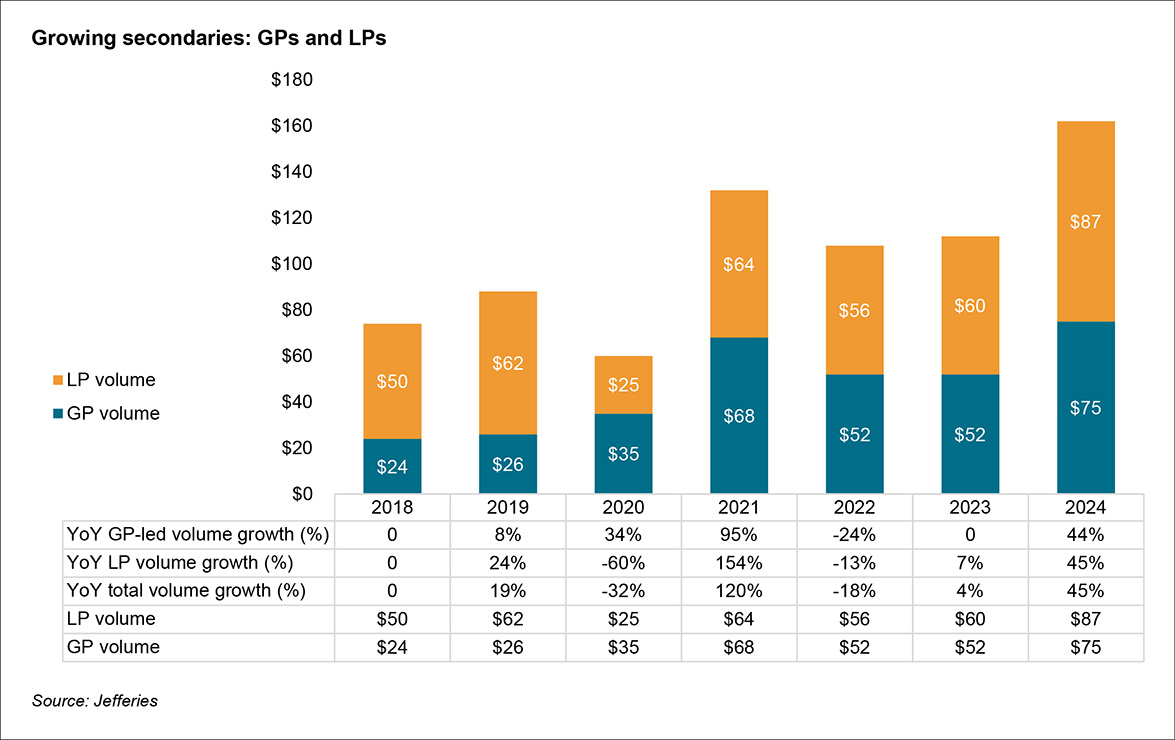
The global secondary market transaction volume rose to $162 billion in 2024 (GP-led accounting for $75 billion and Limited Partner (LP)-led accounting for $87 billion), marking a 45% increase from $112 billion in 2023 and surpassing the previous record of $132 billion in 2021.
Examples of secondary market transactions:
- In August 2024, Abry Partners, in collaboration with Collar Capital, completed a $1.6 billion GP-led secondary transaction to establish a continuation vehicle for its Abry Advanced Securities Fund III. This deal has been recognized as the largest credit continuation to date
- In April 2025, Yale University’s endowment tapped Evercore to sell $6 billion of the university’s PE portfolio, nearly 15% of the endowment’s assets under management
- In a separate instance, Harvard University’s endowment is exploring plans to sell a nearly $1 billion PE stake to Franklin Templeton’s Lexington Partners LLC
Growing secondaries: GPs and LPs
Types of secondary sales in PE
- LP interest sales: In an LP interest sale, the LP sells its stake in an existing PE fund to another investor. The buyer assumes the rights to future distributions as well as any remaining capital commitments
- GP-led secondary sales (continuation funds): Here, the GP takes the initiative to transfer one or more portfolio companies into a new fund vehicle, called a continuation fund. This extends the investment horizon beyond the original fund’s life and often includes fresh capital from new or existing investors.
- Direct secondaries: In direct secondaries, investors purchase ownership stakes directly in private companies from existing shareholders such as early investors, founders and employees.
- Stapled secondaries: A stapled secondary combines the purchase of existing LP interests with a simultaneous commitment to invest fresh capital in the GP’s new fund.
- Preferred equity solutions: Preferred equity solutions provide structured liquidity by allowing investors to receive upfront cash through preferred equity investments secured by portfolio assets, rather than selling stakes outright.
Secondary transaction type: Pros and Cons

Strategies for navigating the road ahead
As tariffs reshape global trade dynamics, PE firms must proactively safeguard their investments. Navigating this environment requires strategic flexibility, deeper operational engagement and a forward-looking investment mindset.
Here are the key actions PE firms can take to strengthen their portfolios against ongoing and future tariff risk.
Adapting to tariffs: A strategic framework for PE firms
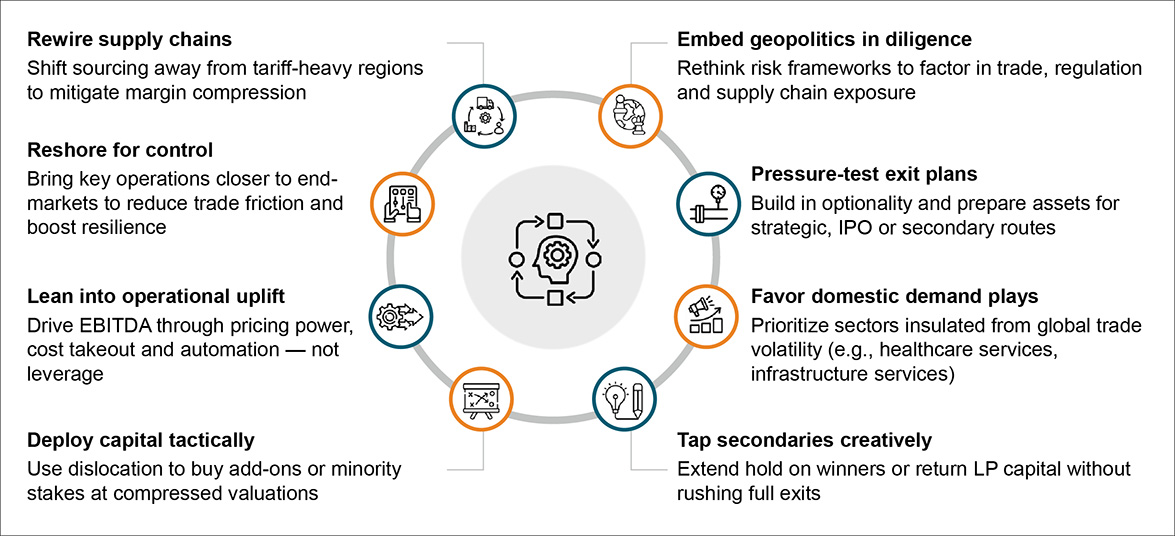
While tariff pressures may delay a full recovery, they also open the door for strategic repositioning and innovation across the PE landscape. Firms that stay agile, support operational shifts and embrace new liquidity solutions will be well-placed to thrive.
At a time when tariffs, currency volatility and shifting trade dynamics are redefining investment calculus, PE firms need clarity, agility and informed execution as much as capital. At Crisil Integral IQ, we specialize in helping PE investors to navigate complex macro environments with confidence. Whether it is assessing tariff exposure during due diligence, optimizing cross-border portfolio strategies or modeling the impact of currency risk, our tailored insights and analytics empower smarter decisions.
Subscribe to our blogs